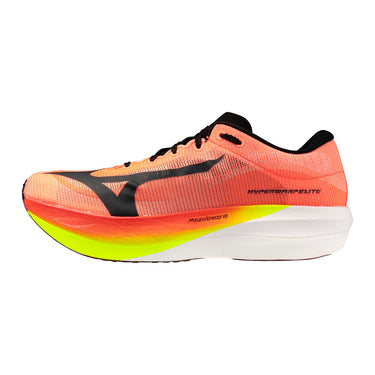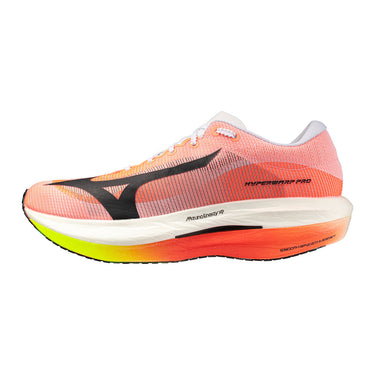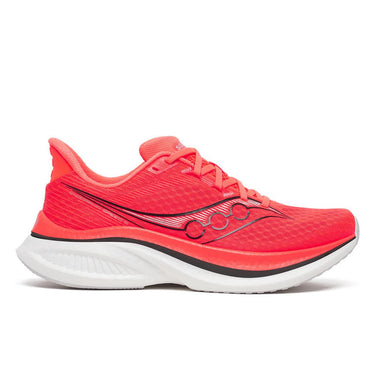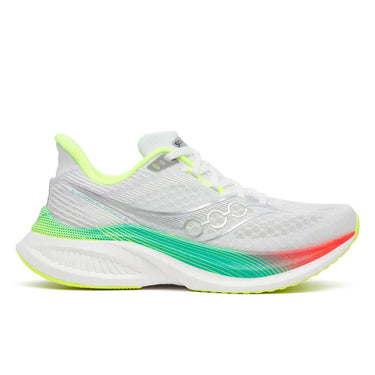

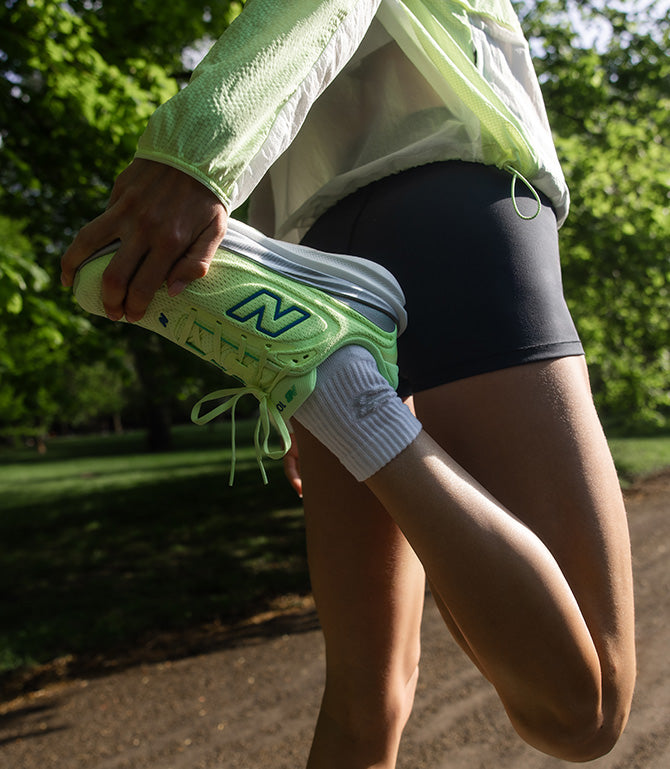


The foot naturally rolls inward as it loads.
Support comparison guide
Neutral vs Stability Running Shoes
Understand pronation and choose the level of guidance that feels comfortable, stable and natural.
Pronation is normal
Comfort leads
Guidance is personal


The right shoe should feel natural in motion.

Some runners prefer more structure than others.

Support cannot rescue the wrong size or shape.
The short answer
Neutral or stability?
Neutral shoes provide a balanced ride without added support features. Stability shoes add guidance for runners who overpronate or simply feel more secure with a structured platform. If neutral shoes feel comfortable and stable, stay neutral. If your foot feels uncontrolled or guided shoes feel better, compare stability options.
Make the decision
Use feel as the deciding test
Pronation is one input, not a diagnosis or an automatic instruction to buy support shoes.
Choose neutral
A neutral shoe feels comfortable, straight and stable without added guidance.
Try stability
Compare guided shoes when neutral options feel uncontrolled or you prefer a more secure platform.
Compare both
Walk and jog in both types with your normal socks, then choose the more natural feel.
Expert guidance
Understand support without overcomplicating it
Modern stability shoes guide movement with geometry and structure rather than relying only on firm medial posts.
Neutral shoes
Balanced movement
Neutral shoes do not add strong corrective features. They suit runners who feel comfortable without extra guidance and are available across daily training, cushioning, speed and race categories.
Stability shoes
Added guidance
Stability shoes use geometry, sidewalls, broader platforms or firmer structures to help the foot feel supported. They can suit some overpronators and anyone who prefers a more secure ride.
Pronation
A normal part of movement
Pronation is the natural inward roll that helps absorb load. The amount varies between runners. It is not automatically bad and should not be treated as a problem based on a footprint test alone.
Possible signals
When to compare stability
Heavy inside-edge wear, a feeling of collapse, unstable neutral shoes or a history of preferring guided models can justify a comparison. These signs do not prove that stability shoes are medically necessary.
Who suits neutral
Comfortable without extra structure
Choose neutral when the shoe feels smooth, stable and natural, and you have no reason to prefer added guidance. Neutral does not mean unsupportive; many neutral shoes use broad, inherently stable platforms.
Who suits stability
Confidence with guidance
Choose stability when guided shoes feel more secure and natural, especially during longer runs or as fatigue builds. Support should feel helpful rather than intrusive.
Testing
Compare like for like
Try both types in similar cushioning and fit, wearing your usual socks. Check heel hold, midfoot pressure and how naturally you move. Persistent pain or recurring injury should be assessed by a qualified professional.
Running shoes should not be presented as preventing injury or correcting a medical condition.
Useful routes
Stocked support routes
These Running Direct collections offer useful neutral and stability comparisons where current stock supports them.
Neutral and stability
Shop ASICS
ASICS
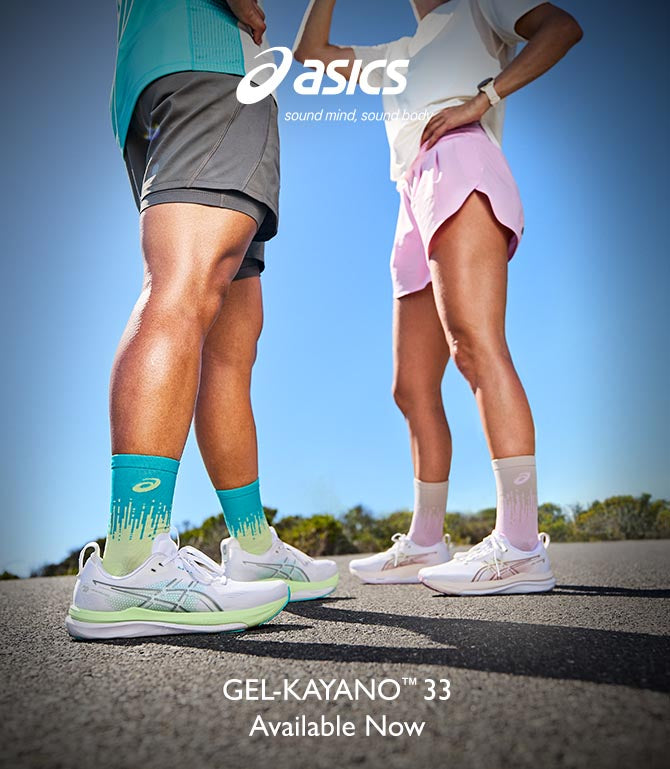
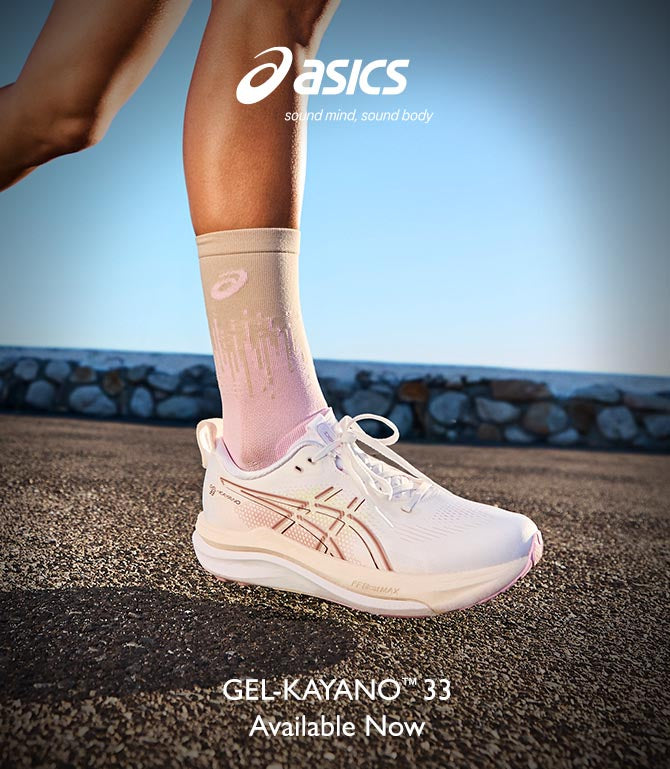
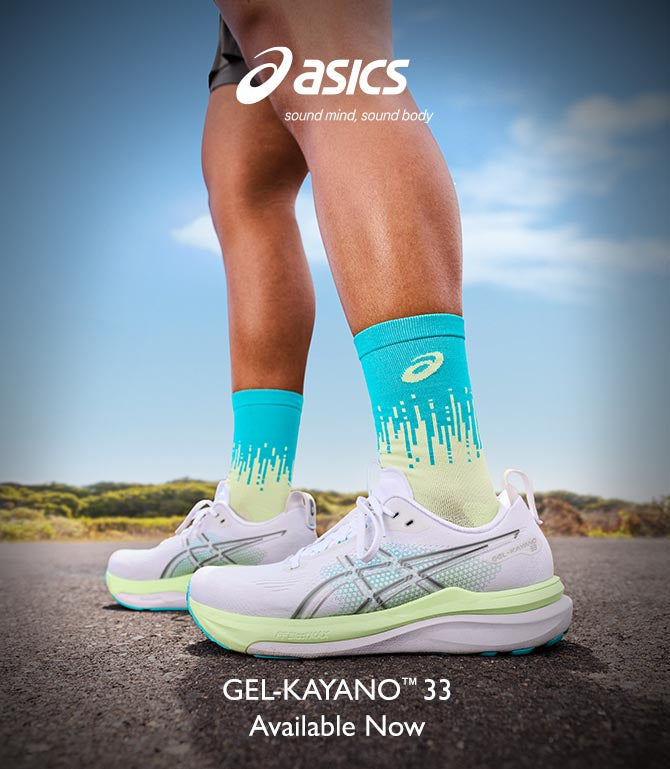
Compare neutral families with guided options such as GEL-KAYANO or GT-2000 where live.
Neutral and stability
Shop Saucony
Saucony
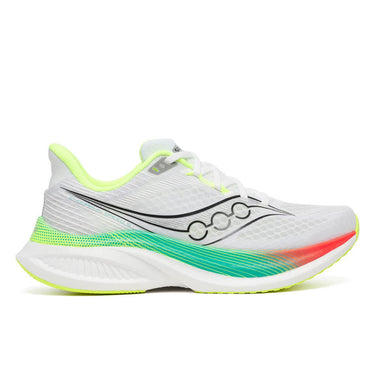
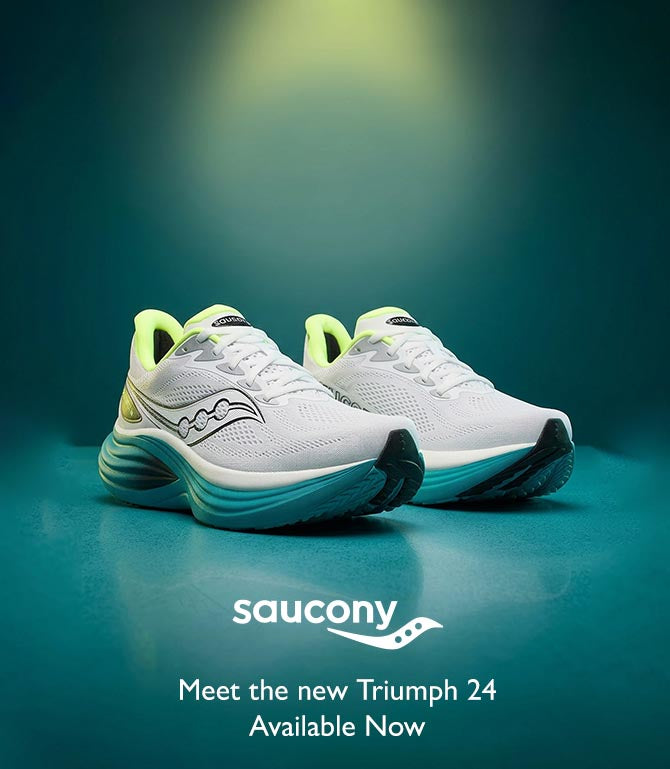
Compare Ride-style daily trainers with Guide or Hurricane routes where live.
Neutral and stability
Shop Mizuno
Mizuno
Compare Wave Rider and Wave Inspire style routes where live.
At a glance
Neutral vs stability at a glance
Treat the table as a comparison of ride characteristics, not a medical prescription.
| Feature | Neutral shoes | Stability shoes | What matters |
|---|---|---|---|
| Main purpose | Natural, balanced movement. | Added guidance and support. | Choose the feel that is most comfortable. |
| Best for | Runners comfortable without extra structure. | Runners preferring a guided, secure feel. | Preference and history matter. |
| Pronation link | Often suits neutral pronation. | Often suits some overpronators. | Pronation alone does not decide. |
| Ride feel | Can feel lighter or more flexible. | Can feel structured and secure. | Modern designs vary widely. |
| Common use | Daily, long, fast and race runs by model. | Daily and longer support-focused runs. | Match the shoe to the training goal too. |
| Brand routes | Cumulus, Novablast, Wave Rider or Ride where live. | Kayano, GT-2000, Wave Inspire, Guide or Hurricane where live. | Confirm current models and stock. |
| Decision | Comfort, fit and confidence. | Comfort, fit and helpful guidance. | Test both in motion. |
Common questions
Frequently asked questions
Clear answers to help you make a confident choice.
What is the difference?
Neutral shoes avoid strong guidance features; stability shoes add structure to support a more guided ride.
Do I need stability shoes?
Only if they feel more comfortable or secure, or qualified advice suggests them. Many runners do well in neutral shoes.
Is pronation bad?
No. It is a normal inward movement that helps the foot absorb load.
Are stability shoes only for overpronation?
No. Some runners simply prefer their secure, structured feel.
Can neutral runners wear stability shoes?
Yes, provided the shoe feels comfortable and the guidance is not intrusive.
Can overpronators wear neutral shoes?
Some can. Comfort, running history and individual movement matter more than a label alone.
Are stability shoes heavier?
They can be, but modern stability models are often close in weight to neutral daily trainers.
Are stability shoes better for flat feet?
Not automatically. Foot shape does not by itself determine the right support category.
What brands make stability shoes?
Running Direct routes include ASICS, Saucony and Mizuno where relevant models are in stock.
Can stability shoes prevent injury?
No shoe can guarantee injury prevention. Persistent pain should be assessed by a qualified professional.