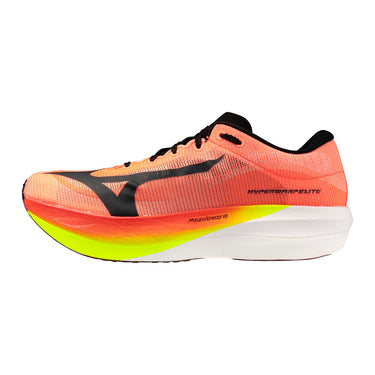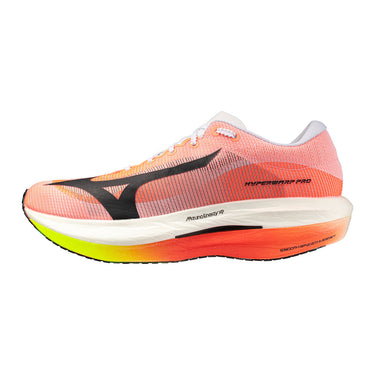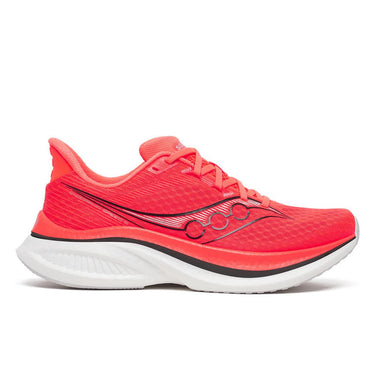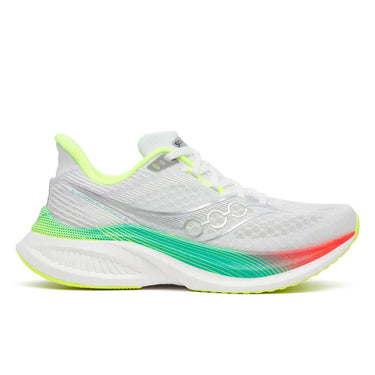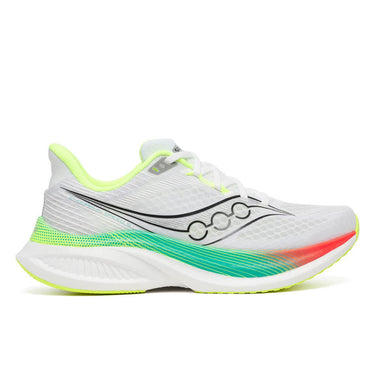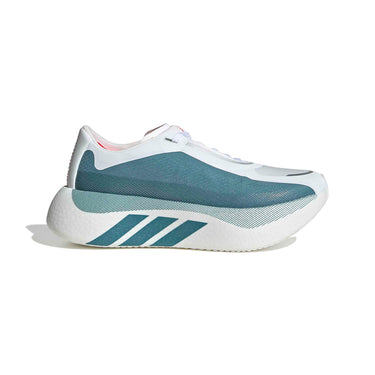


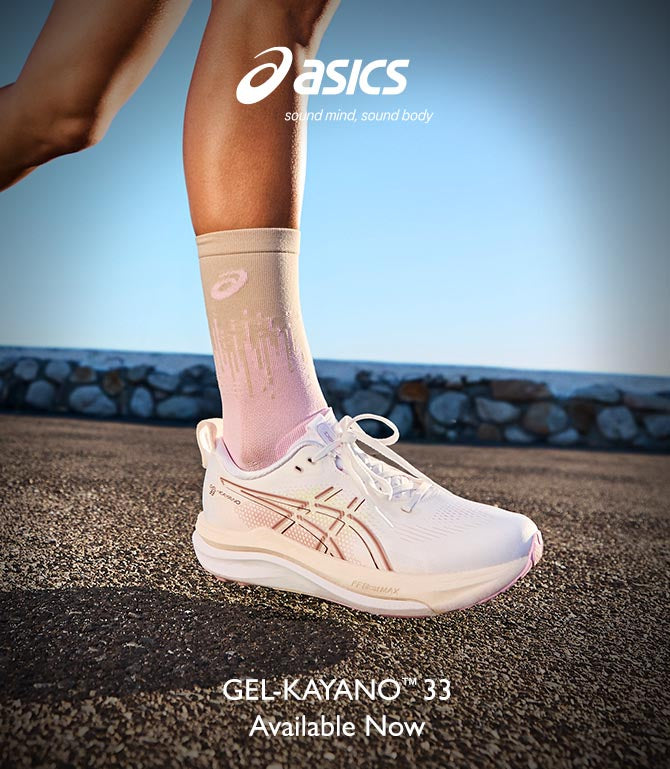
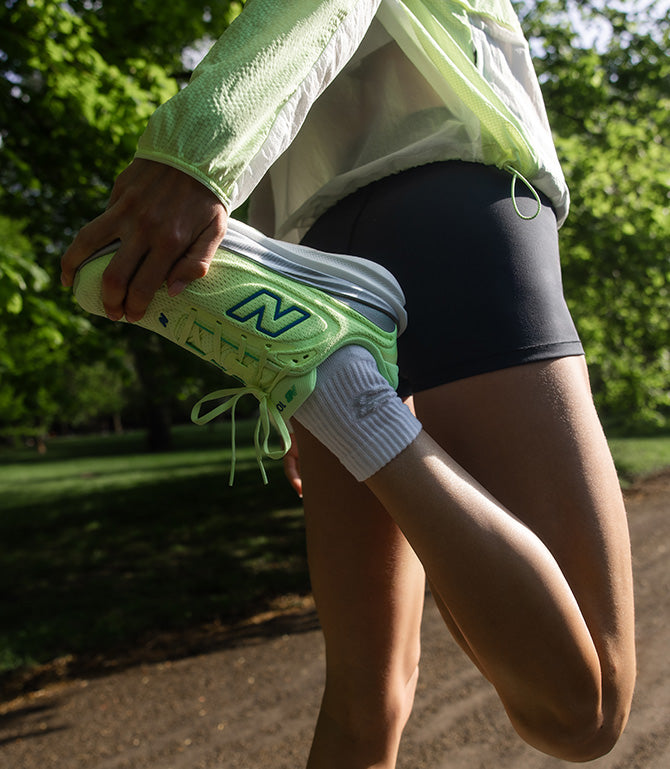
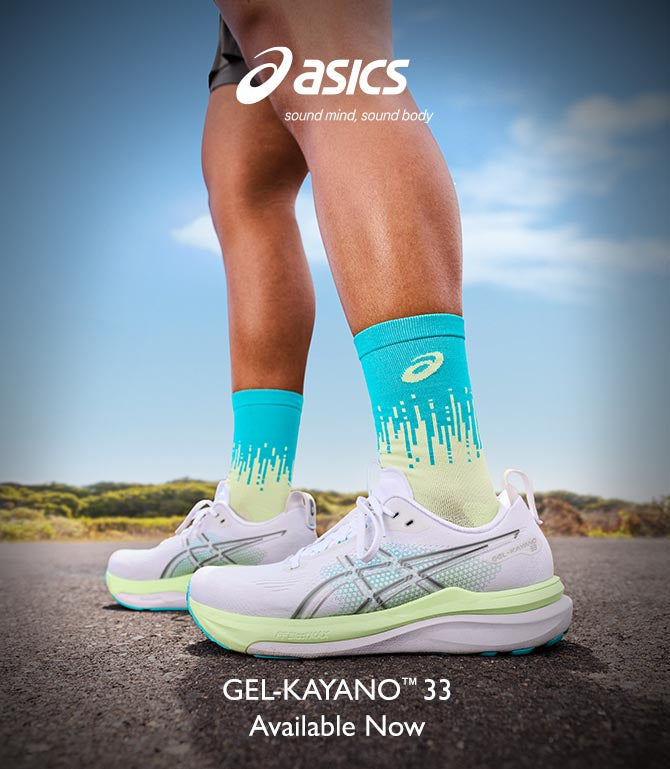
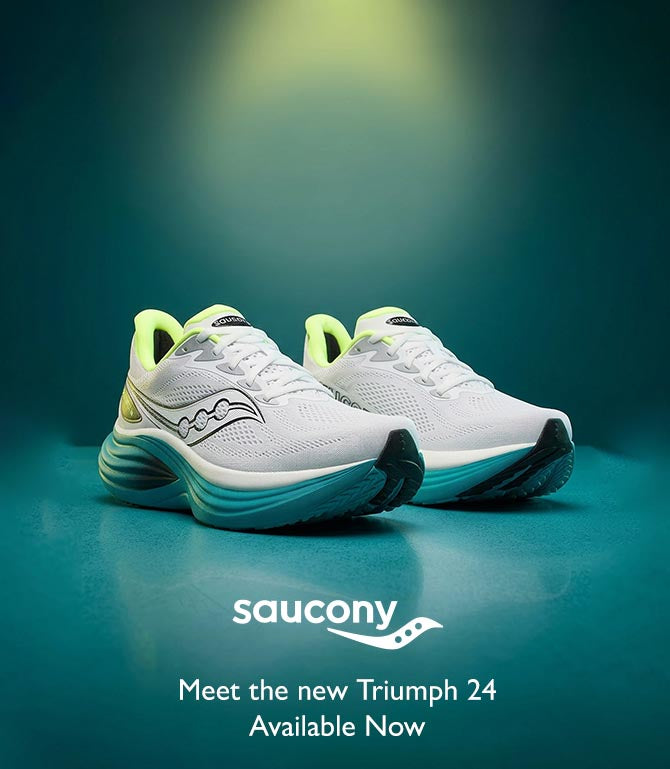
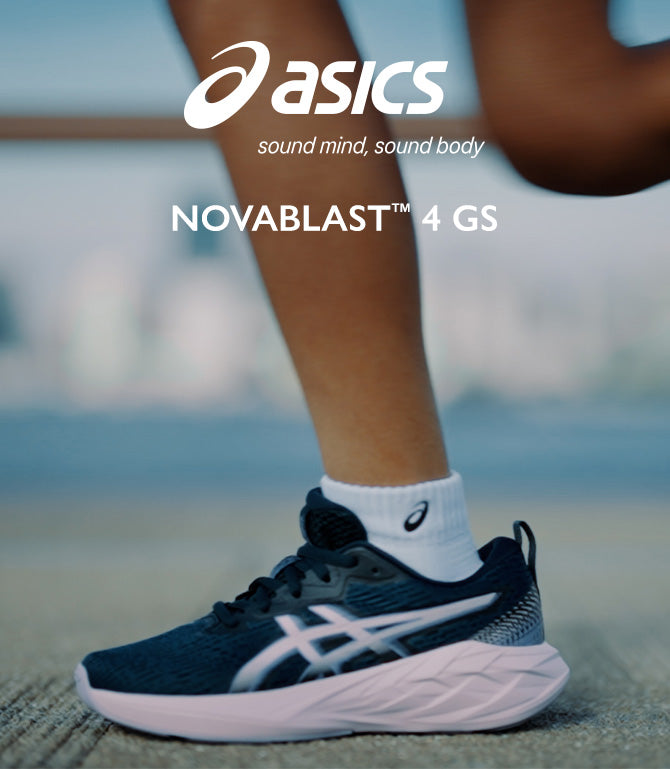
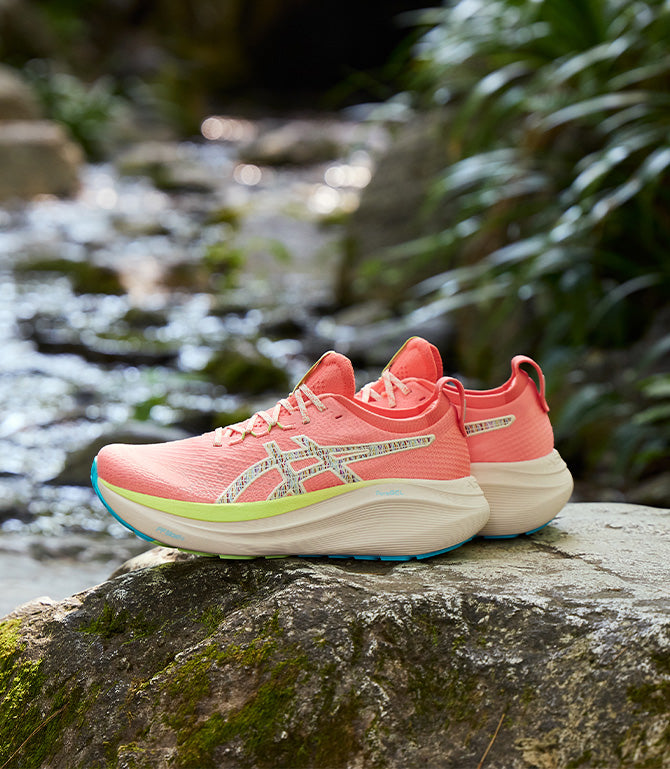


Comfort, durability and control for repeat use.
RunningDirect
Academy
Expert guidance for better running.
Everyday shoe guide
Daily Trainer Running Shoes
The dependable everyday shoe that handles most of your weekly running.
Built for regular miles
The best first category
Versatile by design


Most runners need a daily trainer before a race shoe.

Easy runs, steady runs, warm-ups and general fitness.

A useful shoe for more sessions and more miles.
The short answer
What is a daily trainer?
A daily trainer is an everyday running shoe built for the regular miles that make up most of your training week. It should feel comfortable, durable, stable and versatile enough for easy runs, steady runs, warm-ups and general fitness running.
Make the decision
Choose your everyday shoe in five steps
Start with where you run, then refine the choice through cushioning, support, fit and durability.
Match the surface
Choose a road daily trainer for pavement, treadmill and firm paths.
Choose controlled comfort
Look for cushioning that feels protective without becoming unstable.
Decide on support
Neutral shoes can feel stable; guided designs suit runners who prefer extra structure.
Check the complete fit
Secure the heel and midfoot while leaving enough room for the toes.
Prioritise repeat use
Choose a ride and outsole you can trust several times each week.
Everyday priorities
The pair that earns its place every week
A daily trainer succeeds through repeatable comfort, useful versatility and durability rather than one headline feature.
Versatility before specialism
Build the rotation around a shoe that handles easy, steady and general fitness running.

Controlled comfort
Choose cushioning that protects regular mileage without becoming unstable at slower paces.

Durability for repeat use
Outsole rubber, lasting midsole feel and a secure upper matter when one pair does most of the work.
Expert guidance
Why most runners need a daily trainer
Daily trainers sit at the centre of a useful running shoe wardrobe because they cover the broadest range of normal training.
The category
A shoe you can reach for again and again
Daily trainers balance cushioning, durability and stability for easy miles, steady running, run-walk sessions and regular fitness. They do not need to feel spectacular; they need to feel right repeatedly.
First purchase
Start here before specialist shoes
Beginners, Couch to 5K runners and anyone wanting one versatile pair should usually start with a daily trainer. Race shoes and technical trail shoes solve narrower problems.
Comparison
Daily trainer vs race shoe
A daily trainer is built for comfort and repeated mileage. A race shoe prioritises speed through lighter materials, aggressive geometry or plates, which can make it less practical for easy running and walking.
Faster days
Daily trainer vs tempo shoe
Tempo shoes are lighter and livelier for intervals or progression runs. Some versatile trainers can cover both roles, but build the rotation around a dependable daily shoe first.
Cushioning
Protective without feeling sloppy
Moderate to high cushioning works well for many runners, provided the platform stays controlled. Maximum softness is not automatically the best everyday choice.
Support
Stable is not the same as stability
A neutral shoe can feel stable through a broad base, controlled foam and secure upper. Compare a stability trainer when added guidance feels more comfortable or reassuring.
Durability
Look beyond the first try-on
Daily trainers do the most work. Outsole rubber, lasting midsole feel and a secure upper matter more than a dramatic first impression.
Racing
Can you race in a daily trainer?
Yes. A familiar daily trainer is a sensible choice for first 5K, 10K and half marathon events, especially when comfort and confidence matter more than marginal speed.
Other use
Walking, treadmill and gym-to-road
Stable daily trainers often work well for walking, treadmill sessions and general fitness. They are not intended for heavy lifting or lateral court sports.
Useful routes
Daily-training routes to compare
Compare ride, support and fit across the range.
Cushioning and support
Shop ASICS
ASICS
Daily, cushioned and guided model families for regular road mileage.
Smooth daily miles
Shop Saucony
Saucony
Balanced everyday training with routes into support and faster running.
Stable and durable
Shop Mizuno
Mizuno
A dependable route for runners who like controlled, smooth transitions.
Light and responsive
Shop Puma
Puma
Daily cushioning with a livelier feel for steady and faster progression.
Daily to faster
Shop adidas
adidas
Everyday mileage with clear progression into tempo and race options.
Comfort crossover
Shop Skechers
Skechers
Useful for walking, easy running and comfort-led daily use.
At a glance
Daily trainer comparison
Match the shoe to the main job it needs to do.
| Runner need | Look for | Avoid | Useful route |
|---|---|---|---|
| First proper shoe | Balanced cushioning and secure fit. | Carbon race shoe as the default. | Beginner guide and daily trainers. |
| Regular road miles | Durable outsole and reliable cushioning. | Deep trail lugs. | Road running shoes. |
| Soft comfort | Cushioning with a stable base. | A tall, wobbly ride. | ASICS, Saucony or Skechers. |
| Extra guidance | Stable geometry or support features. | Assuming everyone needs maximum support. | ASICS, Saucony or Mizuno. |
| Faster progression | Responsive daily trainer. | Using race shoes for every run. | Puma, adidas or Saucony. |
| Walking and running | Stable step-in comfort. | Aggressive plated geometry. | Skechers or cushioned daily shoes. |
| Shoe rotation | Daily trainer plus a specialist pair later. | Buying several shoes before knowing your needs. | Start with one dependable pair. |
Common questions
Frequently asked questions
Clear answers to help you make a confident choice.
What is a daily trainer running shoe?
An everyday running shoe designed for regular mileage, comfort, durability and versatility.
Are daily trainers good for beginners?
Yes. They are usually the best first category because they support normal training rather than a specialist purpose.
Can I race in daily trainers?
Yes. Many runners use familiar daily trainers for first races and longer events.
How are they different from race shoes?
Daily trainers prioritise repeat use and durability; race shoes prioritise event-day speed.
How are they different from tempo shoes?
Tempo shoes are usually lighter and faster-feeling, while daily trainers handle most easy and steady miles.
How cushioned should they be?
Cushioned enough for comfort while remaining stable at your normal pace.
Do daily trainers need stability?
Not always. Neutral trainers can feel stable, while guidance features suit runners who prefer more support.
Can daily trainers be used for walking?
Yes, provided the shoe feels stable and comfortable for mixed use.
How long do daily trainers last?
It varies. Replace them when cushioning, grip, upper hold or overall comfort noticeably declines.
Should I own more than one?
One good daily trainer is enough to begin. Add another shoe when your training creates a clear need.
Are they good for marathon training?
Yes. Most marathon preparation is regular mileage, which is exactly what daily trainers are built for.
Are everyday running shoes the same thing?
Usually, yes. Both terms describe versatile shoes for regular training.