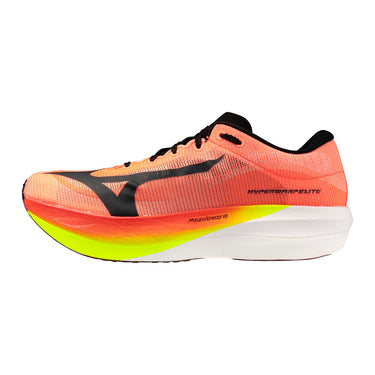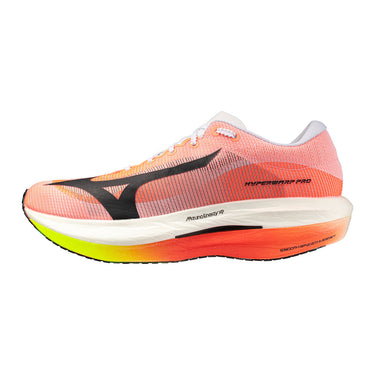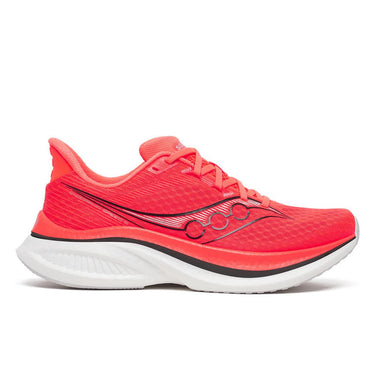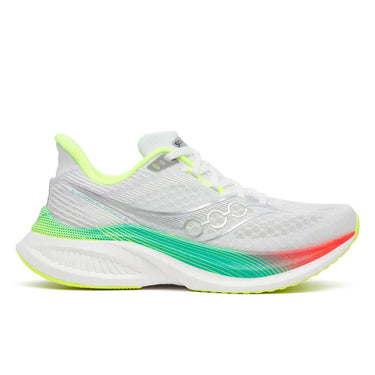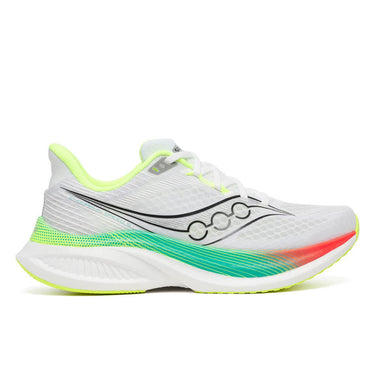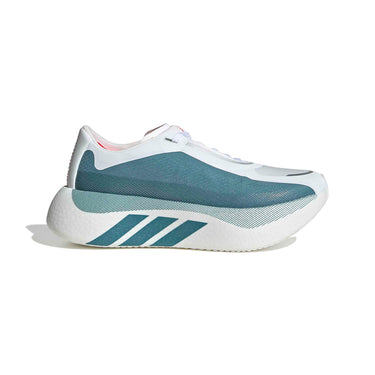

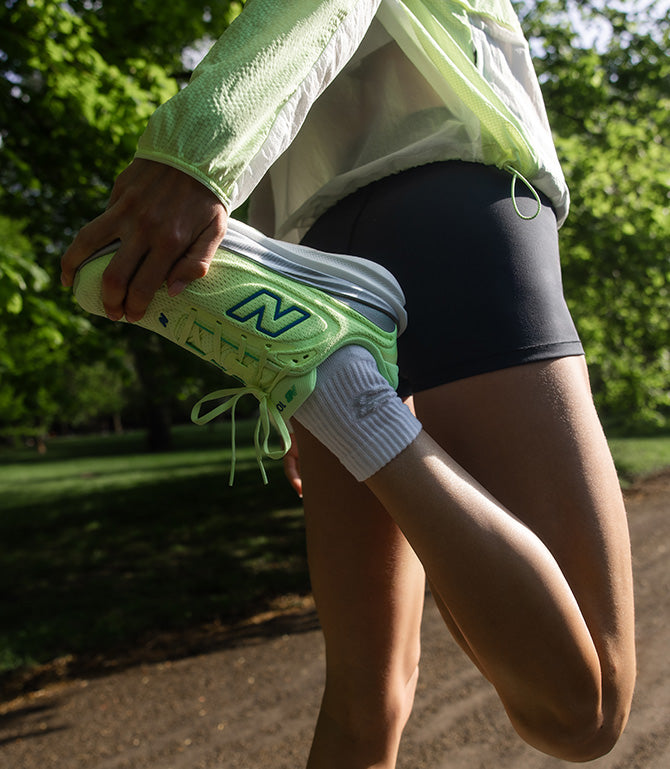
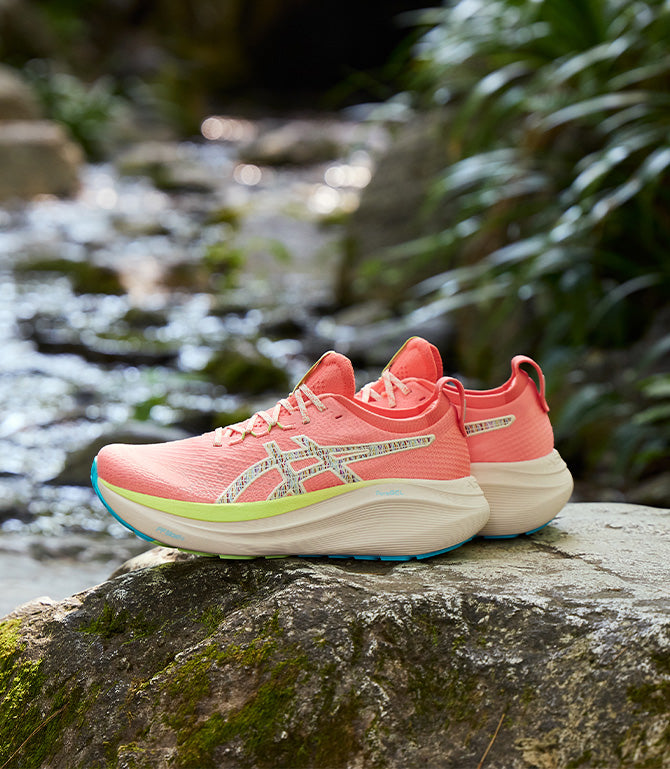


Race shoes prioritise speed over all-round versatility.
RunningDirect
Academy
Expert guidance for better running.
Performance shoe guide
Carbon Plate and Race Shoes Explained
Understand plates, superfoams and race geometry before choosing a specialist performance shoe.
A specialist tool
The plate is one part
Train before race day


Foam, rocker, fit and geometry work together.

Use the exact shoe in suitable sessions first.
Most weekly mileage still belongs in an everyday shoe.
The short answer
Are carbon plate shoes worth it?
Carbon plate shoes can be worthwhile for runners who race regularly, chase faster times or want an efficient performance feel. They are not essential for every runner and are rarely the best first or only pair. Start with a dependable daily trainer, then add a race shoe when your training and goals justify it.
Make the decision
Choose the right performance level
Separate everyday training, faster workouts and race-day performance before comparing models.
Daily trainer
Durable comfort and stability for most weekly miles.
Fast daily trainer
A livelier everyday shoe without full race-day commitment.
Tempo shoe
Lighter and more responsive for workouts and parkrun.
Plated trainer
Plate-assisted response with more training versatility.
Carbon race shoe
Lightweight foam and aggressive geometry for event-day speed.
Expert guidance
How race shoes create a faster feel
The performance comes from the complete construction rather than the carbon plate acting alone.

What is a carbon plate shoe?
A stiff plate sits within a lightweight, high-rebound midsole. The shoe normally adds rocker geometry and a stripped-back upper to move efficiently at faster paces.

How the parts work together
The foam compresses and rebounds, the plate adds stiffness and guides toe-off, and the rocker encourages forward roll. Fit and geometry determine whether that combination feels natural.

Race shoe vs normal trainer
Daily trainers prioritise durability, stability and comfort across many paces. Race shoes trade some of that versatility for lower weight, stronger propulsion and event-day efficiency.
Expert guidance
How race shoes create a faster feel
The performance comes from the complete construction rather than the carbon plate acting alone.
Audience
Who should consider one?
Regular racers, PB-focused runners and athletes already completing faster sessions have the clearest use case. A plated shoe is optional rather than a requirement for participating in races.
Beginners
Should a first-time runner buy carbon?
Usually not as a first pair. A daily trainer is more practical for run-walk sessions, easy miles and building consistency. A familiar everyday shoe can also be an excellent first race shoe.
Durability
How long do race shoes last?
Lightweight foams, thin uppers and exposed areas can wear faster than daily trainers. Track feel, grip and upper security rather than relying only on a fixed mileage number.
Training
Can you use them every day?
You can, but it is rarely the best value or training balance. Use a daily trainer for most mileage and introduce the race shoe in selected faster sessions.
Fit and control
Race shoes can feel less stable
Tall, narrow or aggressive designs can feel awkward at slow pace, around corners or when walking. Check heel hold, forefoot space and confidence at the pace you will race.
Distance
Match the shoe to the event
Shorter races may favour a sharper, lighter ride. Half marathon and marathon choices need sustained comfort, fuelled-run fit and stability as fatigue builds.
Useful routes
Race and Tempo routes
Model availability changes, so use these as collection routes and confirm specifications.
Performance collection
Shop carbon shoes
Carbon-plated shoes
Start with the collection, then compare purpose, plate and fit.
Adizero route
Shop adidas
adidas
Daily-to-race progression through performance models.
Endorphin route
Shop Saucony
Saucony
Fast training and race-day options where available options supports them.
METASPEED route
Shop ASICS
ASICS
Performance shoes alongside more versatile fast-training options.
NITRO performance
Shop Puma
Puma
Plated and non-plated progression through NITRO models.
Performance options
Shop Mizuno
Mizuno
Compare faster Wave and Rebellion families where currently.
At a glance
Training shoe roles compared
Choose the least specialised shoe that fully covers the job.
| Shoe role | Best for | Strength | Trade-off |
|---|---|---|---|
| Daily trainer | Most weekly mileage. | Comfort, value and durability. | Less aggressive at race pace. |
| Fast daily trainer | Steady and progression runs. | Versatility with livelier response. | Not as protective as some daily shoes. |
| Tempo shoe | Intervals and threshold work. | Light and responsive. | Less comfortable for easy mileage. |
| Plated trainer | Fast training and some races. | Guided toe-off with repeat use. | Can feel rigid or specialised. |
| Carbon race shoe | Events and PB attempts. | Lowest weight and highest race focus. | Cost, durability and stability. |
| Trail race shoe | Off-road events. | Terrain-specific grip and protection. | Road race geometry may not transfer. |
Common questions
Frequently asked questions
Clear answers to help you make a confident choice.
Are carbon plate shoes worth it?
They can be for regular racers and PB-focused runners, but they are optional and not the best first shoe for most people.
Can beginners use carbon shoes?
Yes, but a daily trainer is normally a more practical first purchase.
Can I train every day in them?
You can, although daily trainers usually offer better value, stability and versatility.
Do carbon shoes make you faster?
They can improve running economy for some runners, but results vary and no shoe guarantees a faster time.
How are tempo shoes different?
Tempo shoes are faster-feeling training shoes and may be more versatile than pure race models.
How long do carbon shoes last?
It varies by construction, runner and use. Monitor foam feel, grip and upper security.
Are they good for marathon training?
Use them selectively in key sessions and long-run rehearsals rather than for every mile.
Are they good for 5K?
Yes, when the fit and geometry suit faster short-distance running.
Are carbon shoes stable?
Some are, while tall or narrow models can feel less controlled at slower paces or corners.
Can I walk in them?
They may feel awkward because the geometry is designed around faster forward running.
Are plated shoes allowed in races?
Most retail models are, but elite competition rules and event requirements should be checked.
Can I buy race shoes online?
Yes, provided you check sizing, intended use and returns, then test indoors before outdoor use.