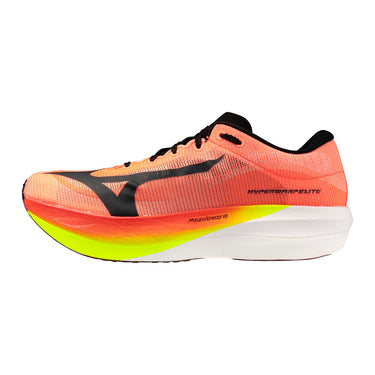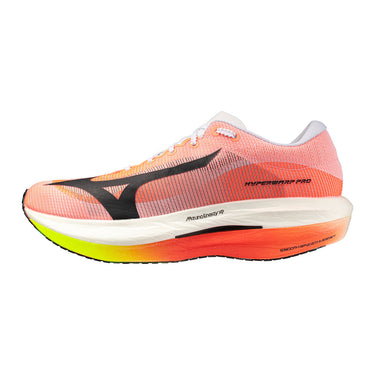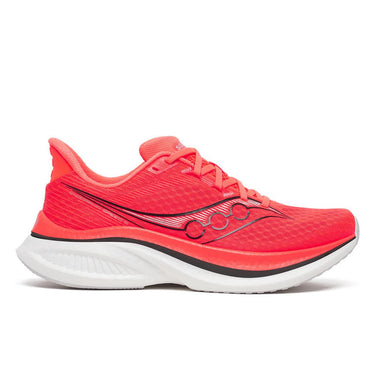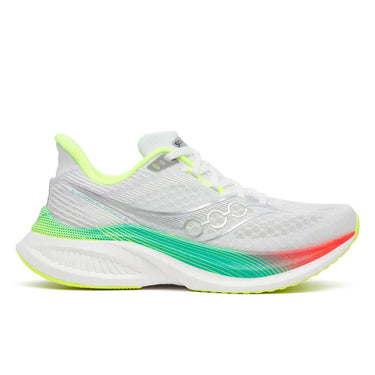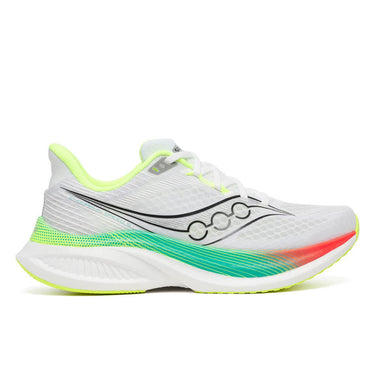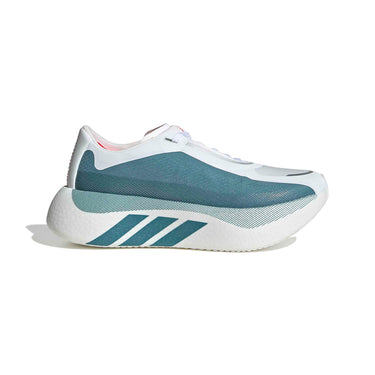
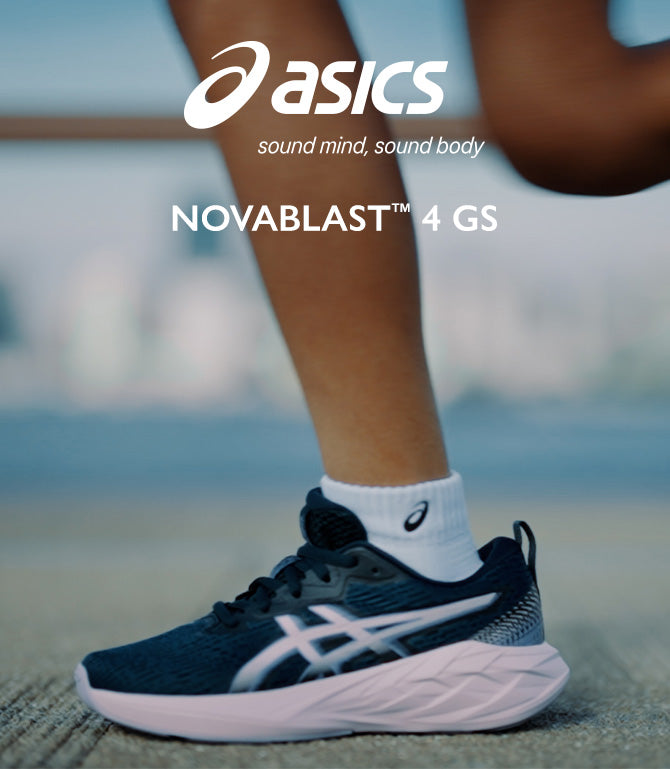
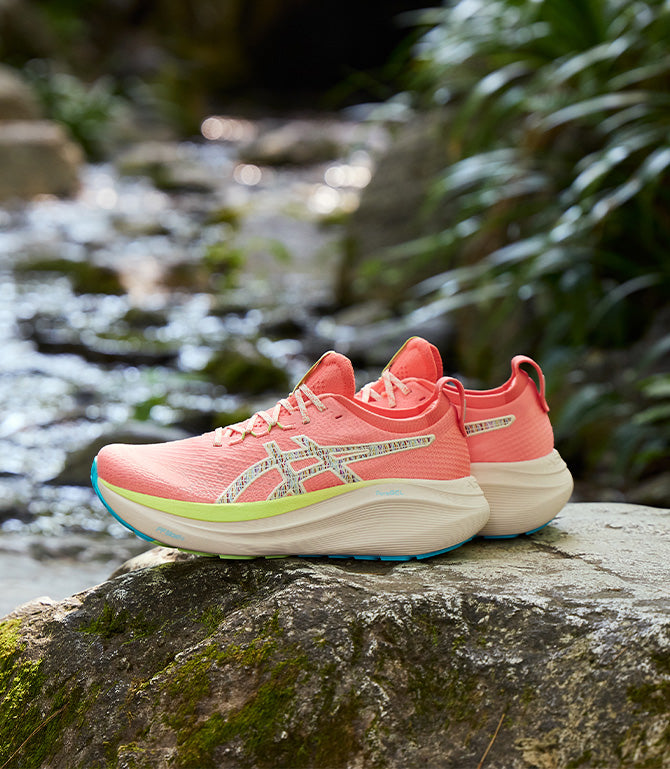


Versatile comfort for walk-run sessions and regular miles.
RunningDirect
Academy
Expert guidance for better running.
Beginner running guide
Best Running Shoes for Beginners
Choose a comfortable first pair that helps you build the habit, from Couch to 5K to regular weekly running.
Daily trainer first
Comfort before speed
Match the surface


Your first pair should make you want to run again.

Road and trail shoes solve different problems.

Do not rely on a running shoe breaking in.
The short answer
What should beginners buy?
Most beginners should start with a comfortable daily trainer with reliable cushioning, a secure fit, enough toe room and a stable feel. Choose road shoes for pavement, treadmills and firm paths, or trail shoes for mud, grass and uneven ground. Carbon plates and specialist race shoes can wait.
Make the decision
Five checks for your first pair
Use these priorities to keep the decision simple and practical.
Choose a daily trainer
Look for a versatile shoe designed for regular mileage rather than a specialist race effort.
Prioritise comfort
The heel, midfoot and forefoot should feel secure without pressure points.
Pick stable cushioning
Protective foam should feel controlled rather than tall, soft and wobbly.
Match your terrain
Use road shoes on hard predictable surfaces and trail grip on loose or wet ground.
Leave specialist shoes
Carbon plates, minimal shoes and aggressive trail models rarely make the simplest first pair.
Expert guidance
Build confidence from the first run
Your first shoes should support regular training, gradual progression and the surfaces you actually use.
Keep it simple
What makes a good beginner shoe?
A good first shoe combines a comfortable heel and forefoot, enough cushioning for repeated impact, a stable platform, an upper that holds without squeezing, and an outsole suited to your route. Daily trainers bring these qualities together.
Everyday use
Start with a daily trainer
Daily trainers handle easy mileage, run-walk sessions, treadmills, park loops and steady weekend runs. They are generally more forgiving than stripped-back race shoes and more practical than highly specialised options.
Feel
Comfort comes before speed
The fastest shoe is not automatically the best first shoe. Check for heel security, a comfortably held midfoot and enough room for toes to move. A small pressure point can become a bigger irritation as feet warm and swell.
Fit and cushioning
Protective, not uncontrolled
Leave roughly a thumb's width in front of the longest toe and compare sizes in your normal socks. Moderate to high cushioning suits many new road runners, but the foam should still feel stable and easy to control.
Use our running shoe size guide before ordering, especially when changing brands.
Support
Neutral or stability?
Many beginners can start in neutral shoes. Stability shoes are worth comparing when a neutral shoe feels uncontrolled or when you simply prefer extra guidance. Comfort and confidence matter more than forcing yourself into a category.
Terrain
Road, trail or mixed?
Choose road shoes for pavement, treadmill and firm paths. Choose trail shoes for mud, wet grass, woodland, gravel and uneven terrain. Deep trail lugs can feel awkward on road, while smooth road outsoles lack confidence on loose ground.
Couch to 5K
Support walking and jogging
Run-walk plans need a shoe that feels comfortable at slow paces, during warm-up walks and as running intervals grow. A stable daily trainer is more useful than a narrow race shoe for this mixed use.
Avoid the wrong shortcut
Price and technology are not the goal
Do not buy solely because a shoe is elite, plated or heavily discounted. Previous-season daily trainers can offer excellent value when the fit and category are right. Replace shoes when grip, cushioning or upper hold noticeably declines.
Useful routes
Beginner-friendly brand routes
Use the collections to compare comfort, support and daily-training feel.
Comfort and support
Shop ASICS
ASICS
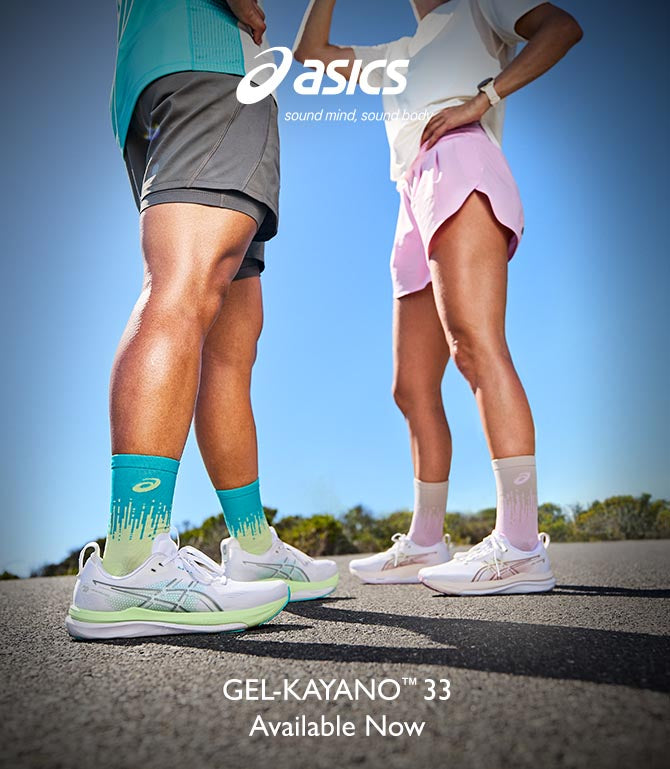
Familiar cushioning with neutral and guided daily-training routes.
Smooth daily miles
Shop Saucony
Saucony
Secure daily trainers with cushioned and stability options.
Stable feel
Shop Mizuno
Mizuno
A useful route for runners who prefer firmer, reassuring transitions.
Light and responsive
Shop Puma
Puma
Accessible daily comfort with room to progress into faster running.
Comfort first
Shop Skechers
Skechers
Useful for beginners mixing walking, jogging and everyday wear.
Versatile progression
Shop adidas
adidas
Daily trainers and responsive options without making race shoes the default.
Trail progression
Shop Craft
Craft
Best considered when beginner running includes wet paths and mixed terrain.
At a glance
Beginner running shoe checklist
Match your main need to the simplest useful shoe route.
| Beginner need | Look for | Avoid | Starting route |
|---|---|---|---|
| First running shoe | Secure daily trainer with balanced cushioning. | Carbon race shoes as the default. | ASICS, Saucony, Mizuno, Puma, Skechers or adidas. |
| Couch to 5K | Comfort for walking and jogging. | Unstable shoes at slow paces. | Daily trainers and comfort-led shoes. |
| Pavement | Road outsole and smooth cushioning. | Deep trail lugs. | Road Running Shoes. |
| Mud and woodland | Trail grip and a secure upper. | Smooth road outsole. | Trail Running Shoes and Craft. |
| Extra support | Stable platform and guidance if it feels better. | Assuming everyone needs maximum support. | ASICS, Saucony and Mizuno. |
| Walking and running | Comfortable cushioned trainer. | Aggressive plated shoes. | Skechers, ASICS, Saucony or Puma. |
| Faster progression | Versatile daily shoe first. | Buying elite shoes before building a base. | Puma, adidas, Saucony or ASICS. |
Common questions
Frequently asked questions
Clear answers to help you make a confident choice.
What running shoes should beginners buy?
A comfortable daily trainer with reliable cushioning, a secure fit and a stable feel at easy pace.
Are expensive shoes worth it for beginners?
Sometimes, but the right category and fit matter more than buying the highest-priced model.
Should beginners buy carbon plate shoes?
Usually not as a first pair. Carbon shoes are designed mainly for racing and faster efforts.
Are road or trail shoes better?
Choose road for pavement and firm paths; choose trail for mud, grass, gravel and uneven ground.
Can I use gym trainers for running?
They can work for brief treadmill use, but regular running usually benefits from a purpose-built running shoe.
Should beginner shoes be cushioned?
Most beginners benefit from moderate cushioning, provided the shoe still feels stable and controlled.
Do beginners need stability shoes?
Not always. Compare stability options when neutral shoes feel uncontrolled or extra guidance feels better.
How should beginner shoes fit?
Secure at heel and midfoot with room for the toes to spread and roughly a thumb's width at the front.
Can running shoes be used for walking?
Yes. Daily trainers often work well for mixed walking and running.
What shoes are best for Couch to 5K?
Comfortable daily trainers that remain stable during both walking and jogging intervals.