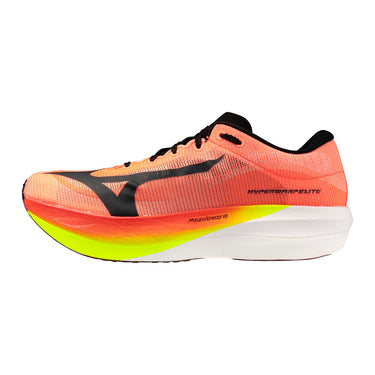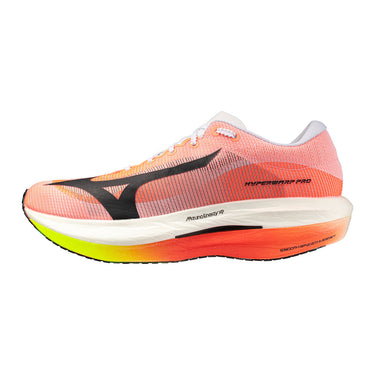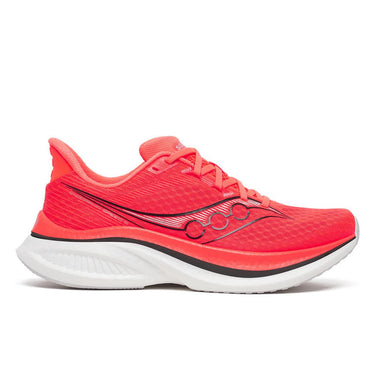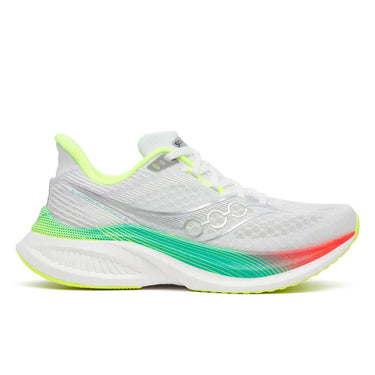
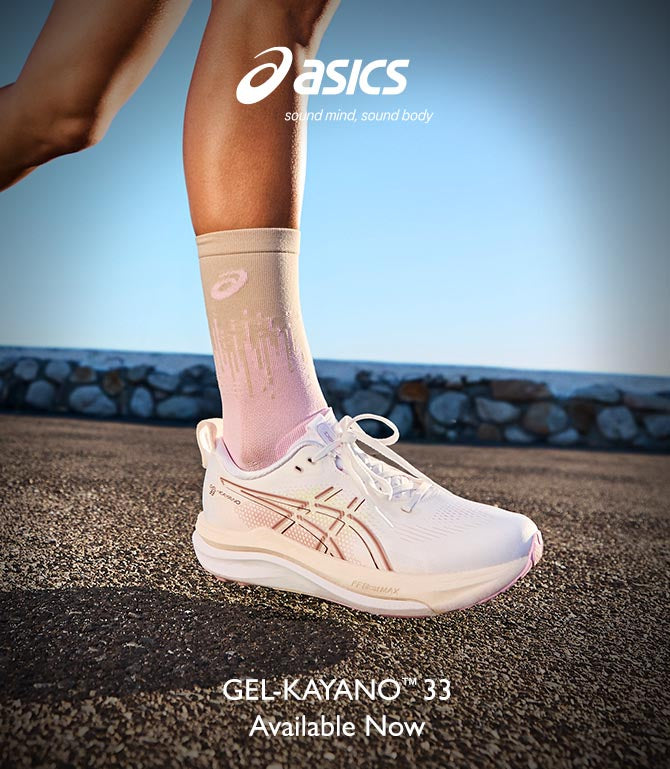
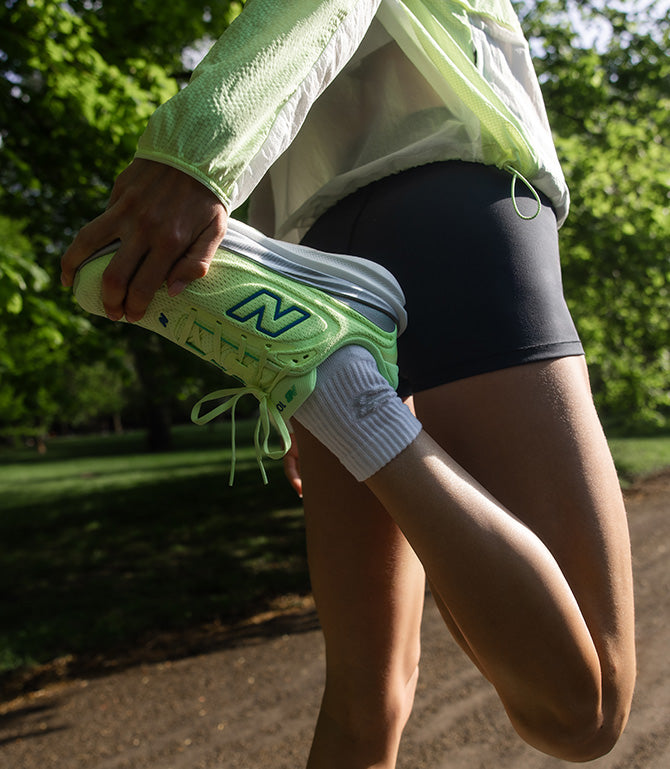
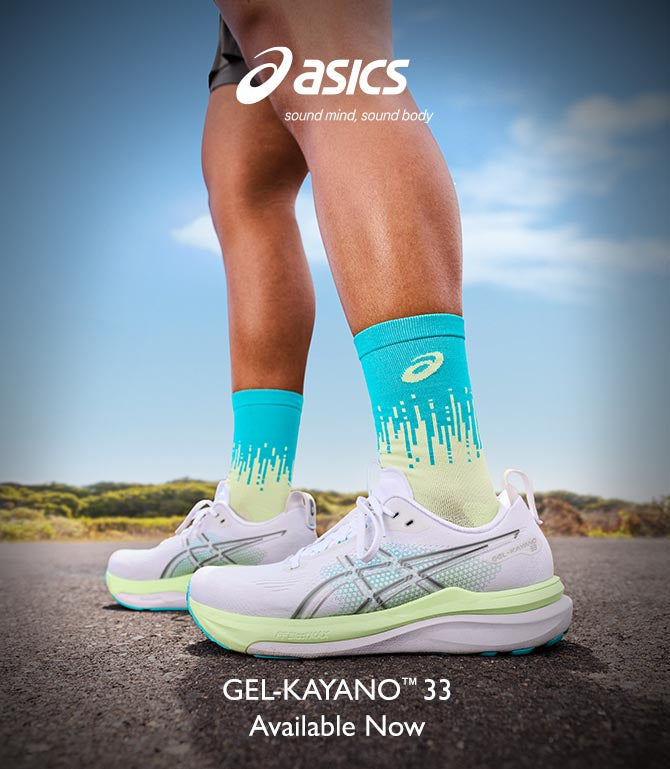
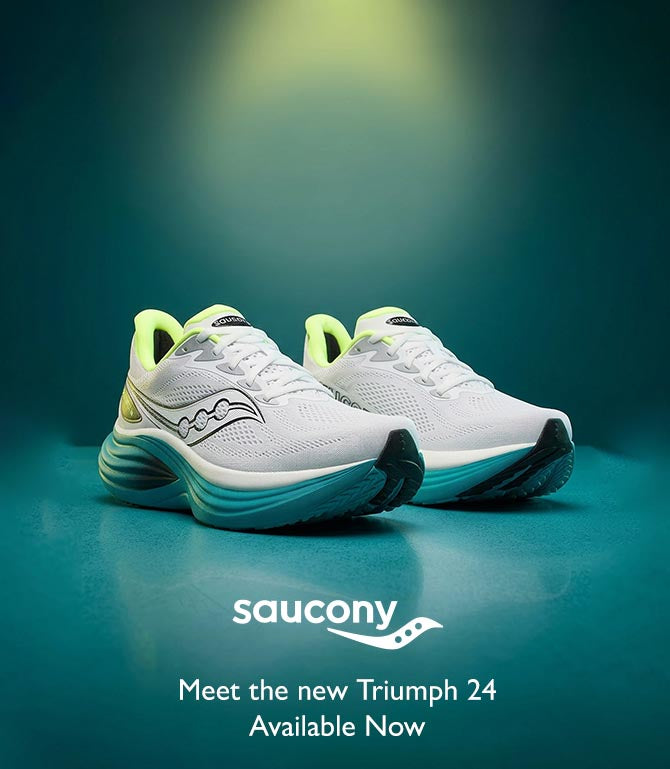
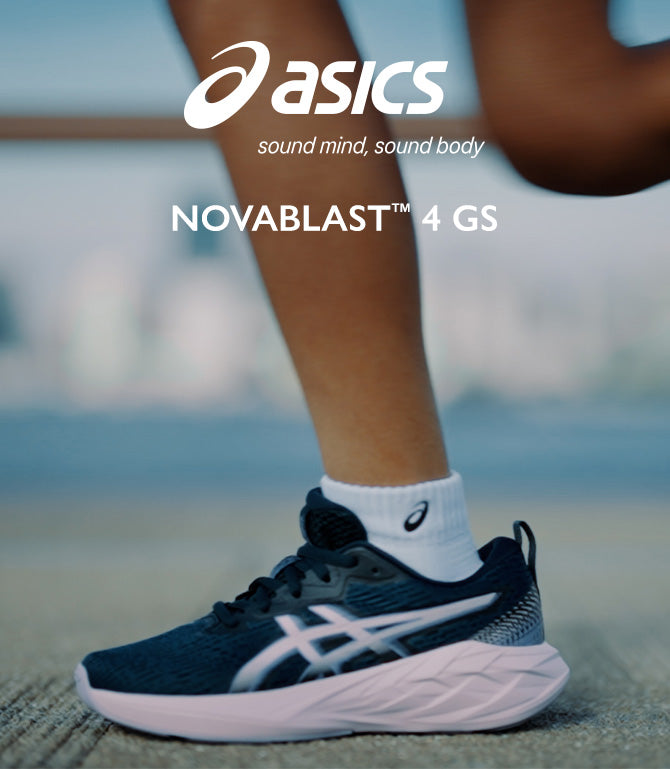
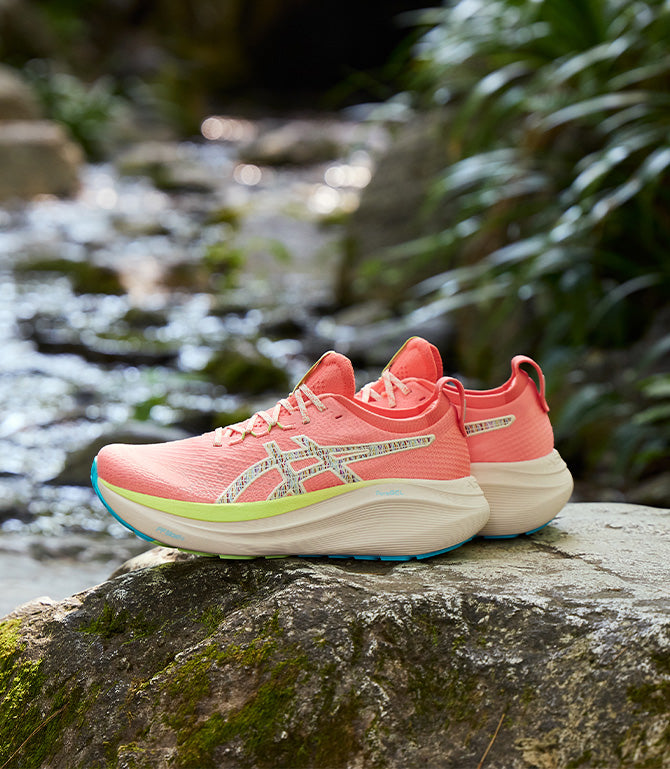


A versatile daily trainer can cover most 10K training and the event itself.
RunningDirect
Academy
Expert guidance for better running.
Training and shoe guide
Running Shoes for 10K Training Daily, Tempo and Race Options
Build a practical 10K shoe setup around the sessions you run most, from comfortable daily mileage to faster workouts and race day.
Daily trainer first
Match shoes to sessions
Race shoes are optional


A lighter shoe earns its place when faster sessions become a regular part of the plan.

Choose road, trail or mixed-terrain grip for the routes you actually run.
Use the intended event shoe in training so fit and feel are familiar.
The short answer
What shoes do you need for 10K training?
For most runners, one comfortable daily trainer is enough. It should handle easy runs, longer runs, warm-ups and regular weekly mileage while fitting securely and matching the surface. Add a lighter tempo shoe when faster sessions become frequent. A dedicated race shoe is optional rather than essential.
Make the decision
Build your 10K shoe setup
Use these six checks to decide whether one pair is enough or whether a second shoe would genuinely improve your training.
Start with a daily trainer
Choose one dependable pair for easy runs, longer efforts, warm-ups and most weekly mileage.
Review your faster sessions
Intervals, threshold runs and race-pace work may benefit from a lighter, more responsive shoe.
Match the surface
Road shoes suit pavement and firm paths; trail grip matters on mud, grass and uneven ground.
Put fit before technology
Secure the heel and midfoot while leaving enough room for the toes as distance increases.
Test the event shoe
Run in it before race day, including some intended 10K pace, so the fit and ride are familiar.
Treat race shoes as optional
Buy a specialist pair only when performance is a clear goal and your everyday training is already covered.
The three shoe roles
Choose by the job each shoe needs to do
These are useful roles rather than rigid labels. Some versatile models can cover more than one.

Daily trainer
The foundation of the setup. Use it for comfortable mileage, recovery running, warm-ups and longer sessions.

Tempo shoe
A lighter or more responsive option for intervals, threshold efforts and progression runs. It can also be a practical race-day shoe.

Race shoe
A specialist option for runners chasing performance. It should complement, not replace, the dependable shoe used for most training.
Expert guidance
What matters across a 10K training plan
Build the smallest shoe setup that comfortably covers your sessions, surface and race-day goals.
Consistency
Let the daily trainer do most of the work
Most 10K plans combine easy running, a longer run and some faster work. The daily trainer should cover the majority of that mileage comfortably. Look for controlled cushioning, durable grip and a fit that remains secure as your time on feet increases.
A working daily trainer does not need replacing simply because your goal has changed from 5K to 10K.
Faster sessions
Add a tempo shoe for a clear reason
A second shoe becomes useful when intervals, threshold runs or race-pace sessions are a regular part of the week and the daily trainer feels cumbersome at faster pace. The best tempo shoe feels quick and controlled without creating pressure or instability.
Fit
Allow for longer training runs
The heel should stay secure, the midfoot should feel comfortably held and the toes should have room to move. Check both feet in your usual running socks. A shoe that feels cramped at the start is unlikely to improve as the run gets longer.
Use our size guide when changing brand or model.
Surface
Choose grip for where you train
Road shoes suit pavement, treadmills, tracks and firm paths. Trail shoes are more suitable for mud, wet grass, loose gravel and uneven terrain. Mixed routes may suit a door-to-trail option with moderate grip.
Rotation
One pair is often enough
Beginners and runners building consistency can train and race in one dependable daily trainer. A daily-plus-tempo rotation is the most useful step up for regular runners. A third, event-only shoe is a specialist choice rather than a requirement.
Race day
Use the chosen shoe before the event
Complete at least one controlled session in the intended race shoe, including some 10K pace. Check heel hold, forefoot pressure, cornering and stability when tired. Race morning should not be the first meaningful test.
Familiarity can be more valuable than unfamiliar technology.
Replacement
Inspect shoes before peak training
Check outsole wear, midsole feel and upper security before the heaviest weeks. Replace a clearly worn pair early enough to test the new one on shorter, familiar runs rather than waiting until race week.
Budget
Spend in the right order
Prioritise fit, then a dependable daily trainer. Add a second shoe only when it fills a real training need. Consider a dedicated race shoe after everyday mileage and faster sessions are already covered.
Compare side by side
Daily, tempo and race shoes at a glance
Choose the role that matches the sessions you actually run.
| Shoe role | Main job | Best for | Trade-off |
|---|---|---|---|
| Daily trainer | Regular training and most weekly miles | Easy runs, steady runs, longer runs and first 10K events | Usually less specialised for outright speed |
| Tempo shoe | Faster training with useful versatility | Intervals, threshold runs, progression runs and race pace | May be less durable or relaxed than a daily trainer |
| Race shoe | Event-day performance and selected key sessions | Personal-best attempts and runners who value a propulsive feel | Higher cost and a narrower range of use |
Common questions
10K running shoe FAQs
Clear answers to the questions runners ask most often.
What are the best running shoes for 10K training?
For most runners, the best starting point is a comfortable daily trainer with secure fit, controlled cushioning and suitable grip. Add a tempo or race shoe only when it fills a clear faster-training or event role.
Do I need race shoes for a 10K?
No. You can train for and race a 10K in a daily trainer or tempo shoe. Dedicated race shoes are optional.
Can I race a 10K in daily trainers?
Yes. A familiar daily trainer is a sensible choice for a first 10K and for runners who value comfort and stability over a specialist race feel.
Are carbon-plated shoes worth it for 10K?
They can suit a race-focused runner who enjoys their feel and has tested them successfully, but they are not necessary for completing the distance.
Should I use different shoes for intervals and long runs?
You can, but it is not essential. A daily trainer can handle both. A lighter tempo shoe becomes useful when faster sessions are regular.
What is the best two-shoe rotation for 10K training?
A daily trainer plus a tempo shoe is the most versatile setup. The daily shoe covers comfortable mileage; the tempo shoe covers faster sessions and can potentially be used on race day.
How cushioned should 10K shoes be?
They should feel comfortable for your expected time on feet while remaining stable at easy and faster paces.
How should 10K running shoes fit?
The heel should remain secure, the midfoot comfortably held and the toes free to spread without touching the end. Test both feet in running socks.
Can I use trail shoes for a 10K?
Yes, when the event or training is on mud, wet grass, loose gravel or uneven trail. Match the outsole to the conditions.
Can I train for a 10K on a treadmill?
Yes. A stable, breathable road shoe works well. Include some outdoor running before an outdoor event so the surface, turns and weather are familiar.
Should beginners buy tempo shoes for 10K training?
Not immediately. Begin with a daily trainer and establish consistent running. Add a tempo shoe when faster sessions have a regular place in the plan.
How much should I run in race shoes before a 10K?
There is no universal mileage. Complete enough running to confirm fit and control, including at least one session with some intended race pace.